
Storm season checklist for rental properties
A storm season checklist for rental property owners: roof, drains, windows, tenants, insurance and pros to book before the rains, and what to check after.
 By the RentalThread teamHow we write our guides7 min read
A storm season checklist for a rental property lets you fix in the dry months what heavy rain would otherwise find for you: a clogged gutter, cracked flashing, a yard drain full of leaves. When you catch a leak in April, you book a visit. When the rain finds it first, your tenant is moving furniture away from a wet ceiling at midnight, and the roofer can't come until next week.
This checklist is for owners with one or more rentals in places with a storm, hurricane or rainy season. It goes deeper than the storm line in our rental property preventive maintenance checklist.
Why storm season is harder with rentals
When you live in a house, you hear the gutter overflow and see the stain on the ceiling. In a rental you depend on the tenant noticing, deciding it matters and telling you. Many tenants wait, because a small damp spot doesn't feel urgent or they don't want to bother you.
Storms also hit every property at the same time. One night of rain can produce three messages from three tenants, each in a different chat, each with a few blurry photos. Meanwhile, roofers and plumbers fill their calendars in the weeks before and after the rains, so a job you didn't book in advance can wait a long time.
When to start
Start at least a month before the rains, and earlier if a roof needs repairs or new waterproofing: that work needs several dry days, and good pros book up early. Your region's season sets the calendar. On the US Atlantic and Gulf coasts, for example, the official hurricane season runs June 1 to November 30. Elsewhere it may be a spring storm season or a few months of daily rain.
Put the date on your calendar every year, with a reminder a few weeks ahead to book the pros.
Storm season checklist for rental properties
Go through it for each property. Skip the lines the building or homeowners' association takes care of, and ask them when they'll do their part.
Roof and outside
- Have a roofer check the roof, flashing and seals around vents and chimneys, or look from the ground with binoculars. Don't send a tenant onto the roof.
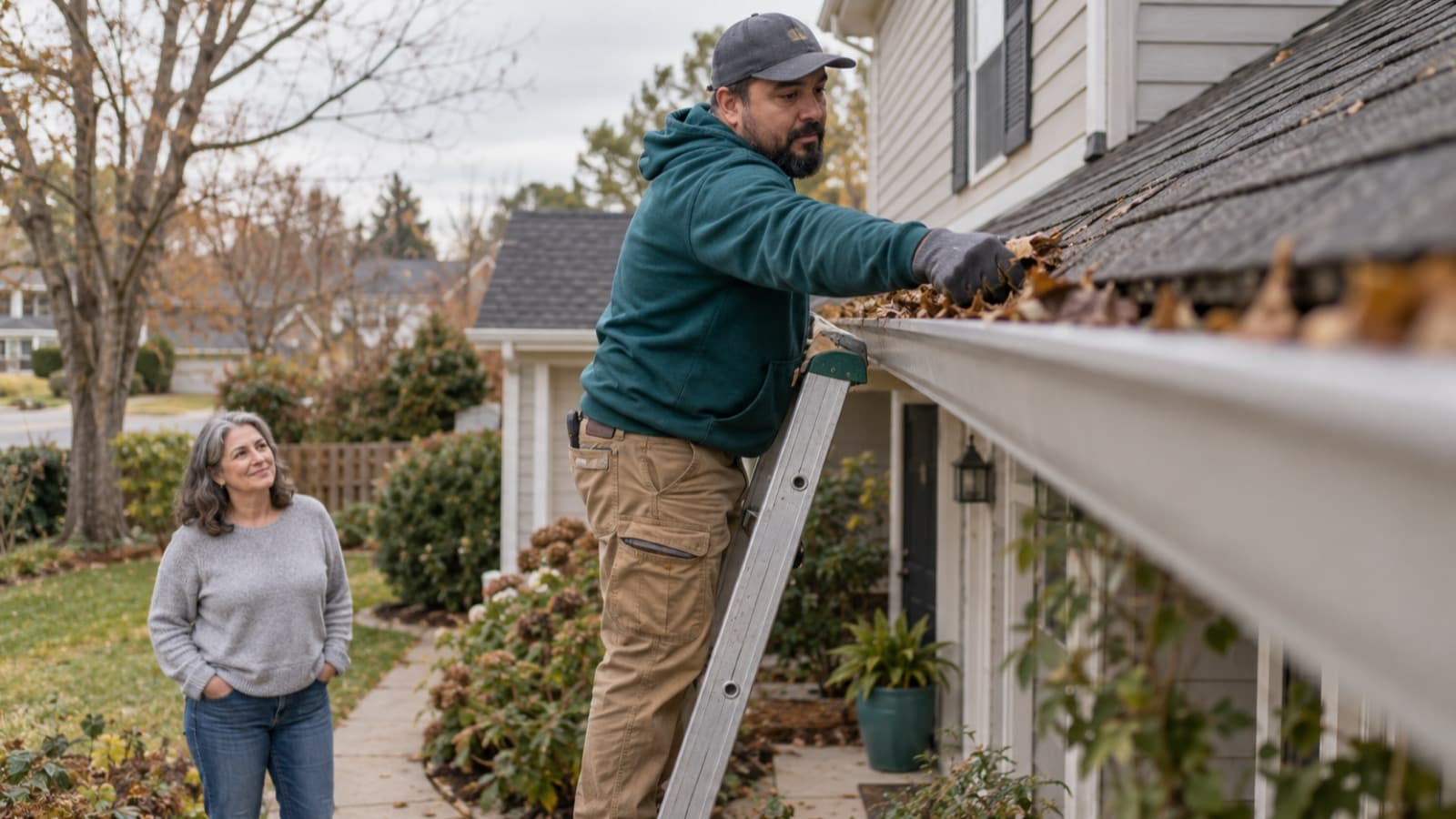
- Clean gutters and downspouts, and check that downspouts send water away from the foundation.
- Clear yard drains, grates and the drain at the bottom of outside stairs or a sloped driveway.
- Check that the ground slopes away from the walls and that nothing is piled against them.
- Trim branches that hang over the roof. For branches near power lines, call the utility and let it send qualified line-clearance crews. Don't trim them yourself.
Windows, doors and walls
- Look for gaps in the caulk around windows and doors, and reseal them.
- Check that window weep holes and door thresholds aren't blocked.
- Look at outside walls for cracks where water can get in.
- If the property has storm shutters or panels, check they're all there, with their hardware, and that the tenant knows how to put them up or who will do it.
Water inside
- Test the sump pump, if there is one, by pouring water into the pit, and check the backup battery.
- Check that the backwater valve, if the property has one, closes and isn't blocked.
- Look at ceilings under the roof, around windows and in closets for old stains. A stain that grows after rain points to the leak.
- Make sure the tenant knows where the main water shutoff is.
Power and equipment
- Check that outdoor outlets have covers and that GFCI outlets trip and reset.
- Keep the water heater, furnace and electrical panel clear of stored boxes, especially in basements or garages that can flood.
- If the property has a portable generator, have it serviced and give the tenant written instructions that follow the manufacturer's manual. The CDC says to run it outdoors, more than 20 feet from windows, doors and vents, and to have working battery-powered carbon monoxide alarms inside.
Yard and loose objects
- Make a list of what can blow away: patio furniture, grills, trash cans, planters. Agree with the tenant on where they go when a storm is forecast.
- Check fences and gates for loose posts.
Rank your properties before you book anyone
With several rentals, you can't do everything first. Rank them by risk and book the pros in that order:
- Known leaks. Any property where water came in last season, even if it was "fixed".
- Old roofs and flat roofs. Flat roofs hold water and depend on their waterproofing.
- Top-floor and ground-floor units. The top floor gets roof leaks, the ground floor and basements get water coming in from outside.
- Vacant units. Nobody is there to notice a leak. Plan a visit after each heavy storm.
Write the plan down: property, task, who does it, the date booked and the cost. When something goes wrong in the middle of the season, you'll see what was done and when.
Talk to tenants before the first storm
A short message or one-page note before the season saves a lot of calls during it. Include:
- What to report, and when: water coming in or a sump pump that stops, right away through the emergency channel; new or growing stains within a day. Power outages go to the utility first, following its reporting steps.
- How to report it: one channel, with photos or a short video, the room and the time it started.
- Where the shutoffs are: main water valve and electrical panel, with a photo of each.
- Who to call in an emergency, day and night, and when to call emergency services first. Our guide on emergency repairs in a rental covers what counts as an emergency.
- What they can do safely: move belongings away from a leak, put a bucket under a drip, never touch electrical equipment standing in water.
- Official alerts and evacuation: where to get local weather alerts, the emergency numbers, and the evacuation routes and shelters for the area. If authorities tell people to evacuate or stay inside, that comes before any photo, report or repair.
Your insurance usually covers the building, not the tenant's things. Mention that renters insurance exists, and leave the decision to them.
Check insurance and records
Read your policy before the season starts. Ask your insurance agent what counts as storm damage and what counts as flooding, since they're often treated differently. In the US, most property policies don't cover flood damage, and coverage from a new National Flood Insurance Program policy usually starts 30 days after you buy it, with some exceptions. Check the start date with your agent well before the season. Rules and products differ by country; check with an insurer where your property is.
Take dated photos of the roof, ceilings, basement and yard before the season. If you need to file a claim, those photos show the condition before the storm. Keep them with the property's records and the receipts for this season's work.
After each storm
Start only when it's safe. Never walk through floodwater or go near downed power lines. Wet electrical equipment, structural damage and possible sewage in the water are jobs for qualified pros.
- Ask tenants to check ceilings, windows and floors, and to send photos of anything new.
- Walk the property, or have someone you trust do it, within a few days, starting with the units you ranked first.
- Start drying anything wet the same day. The US Environmental Protection Agency advises drying water-damaged areas within 24 to 48 hours to prevent mold.
- Photograph the damage before it's repaired, and write down the date and time. If something urgent has to be done to stop more damage, do it first and take the photos after.
- Clear gutters and drains again if the storm brought down leaves and branches.
Who pays for storm damage depends on the cause, the lease and local rules. Talk with the tenant early, and keep the photos and messages together.
How RentalThread will make it easier
RentalThread will let you set the storm season tasks as recurring maintenance for each property, with reminders before they're due, so the gutters and the roof check come back every year without starting from scratch.
When a storm hits, tenants will report problems with photos or video from their phone. AI turns their message into a clear request, which you review before anything is sent. Each repair gets its own thread: the request, the pro's estimate, your approval, the visit and the payment, followed by everyone involved. Your trusted pros will be in one place when you need them quickly.
See what's planned for owners.
Send it to an owner, manager, agent, tenant or pro who could use it.
Questions, or a topic you'd like us to cover? Write to us at contact@rentalthread.com.