
Emergency repairs in a rental: what counts, what to do first
Emergency repairs in a rental: what usually counts, the first steps for gas, water and electrical problems, who to call after hours and what to write down.
 By the RentalThread teamHow we write our guides6 min read
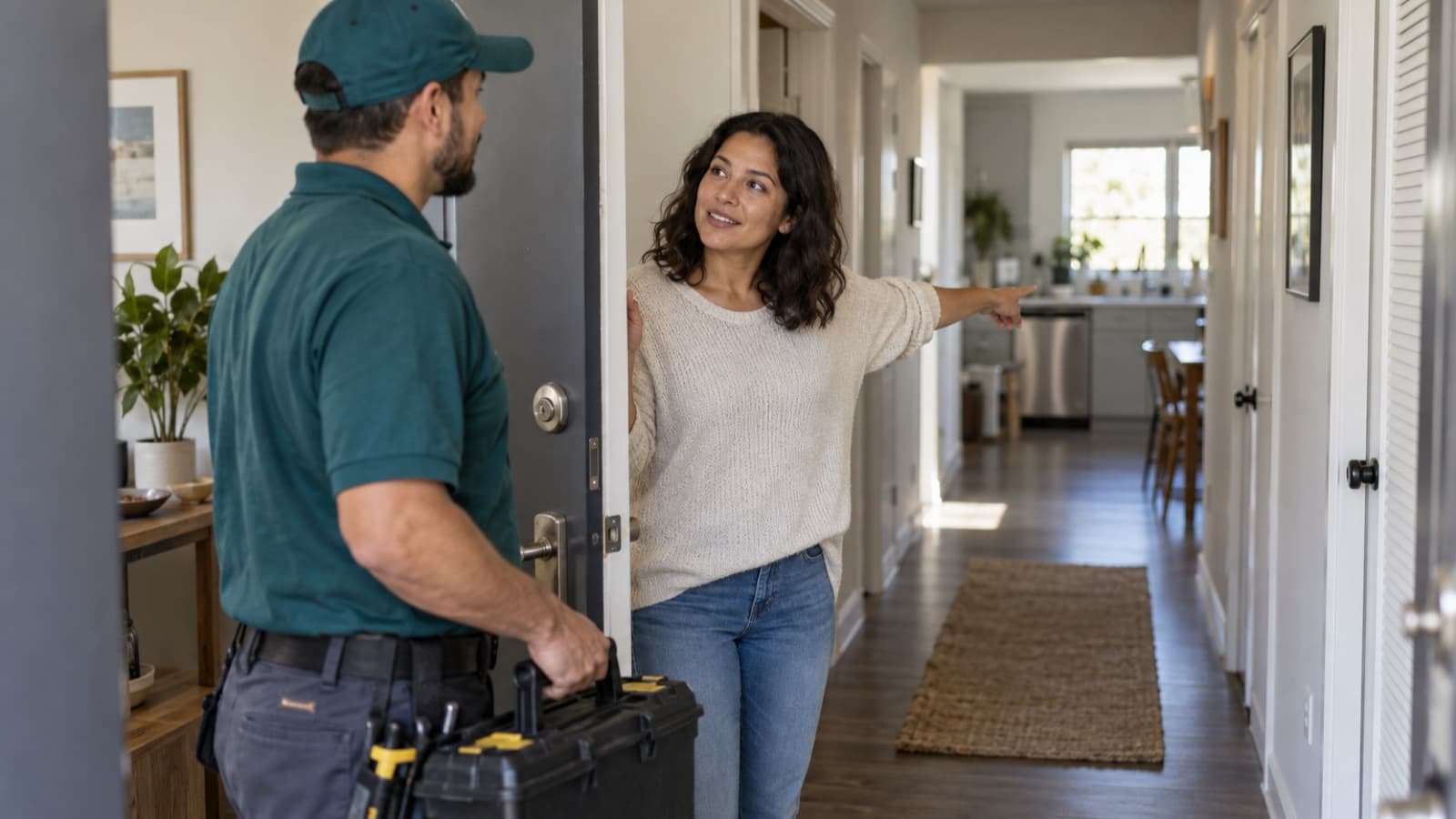
A pipe bursts at 11 PM, and you need to decide whether it can wait until morning. Emergency repairs in a rental are the problems that put people, the home or the building at risk if nobody acts within hours. Knowing which problems count, and what to do in the first minutes, keeps you safe and gets the right person there sooner.
This guide is for tenants.
Why emergencies get complicated in a rental
In a rental, you may be the first to spot the problem, and the owner or manager usually arranges the repair. Who can approve work and who pays depend on what happened, the lease and local rules. That split makes a few things harder:
- Nobody knows the after-hours number. The lease lists a phone, but at night it goes to voicemail.
- Nobody knows who's coming. The owner says "someone will be there tonight", and you don't know who, when, or whether to wait up.
Emergency repairs in a rental: what counts?
An emergency is a problem that threatens health or safety, will cause serious damage to the home if it waits, or leaves the home unsecured. Common examples:
- A gas smell, or a carbon monoxide alarm going off
- Fire, smoke, or a burning smell from an outlet, appliance or electrical panel
- Sparks, exposed wires, or water near outlets or the panel
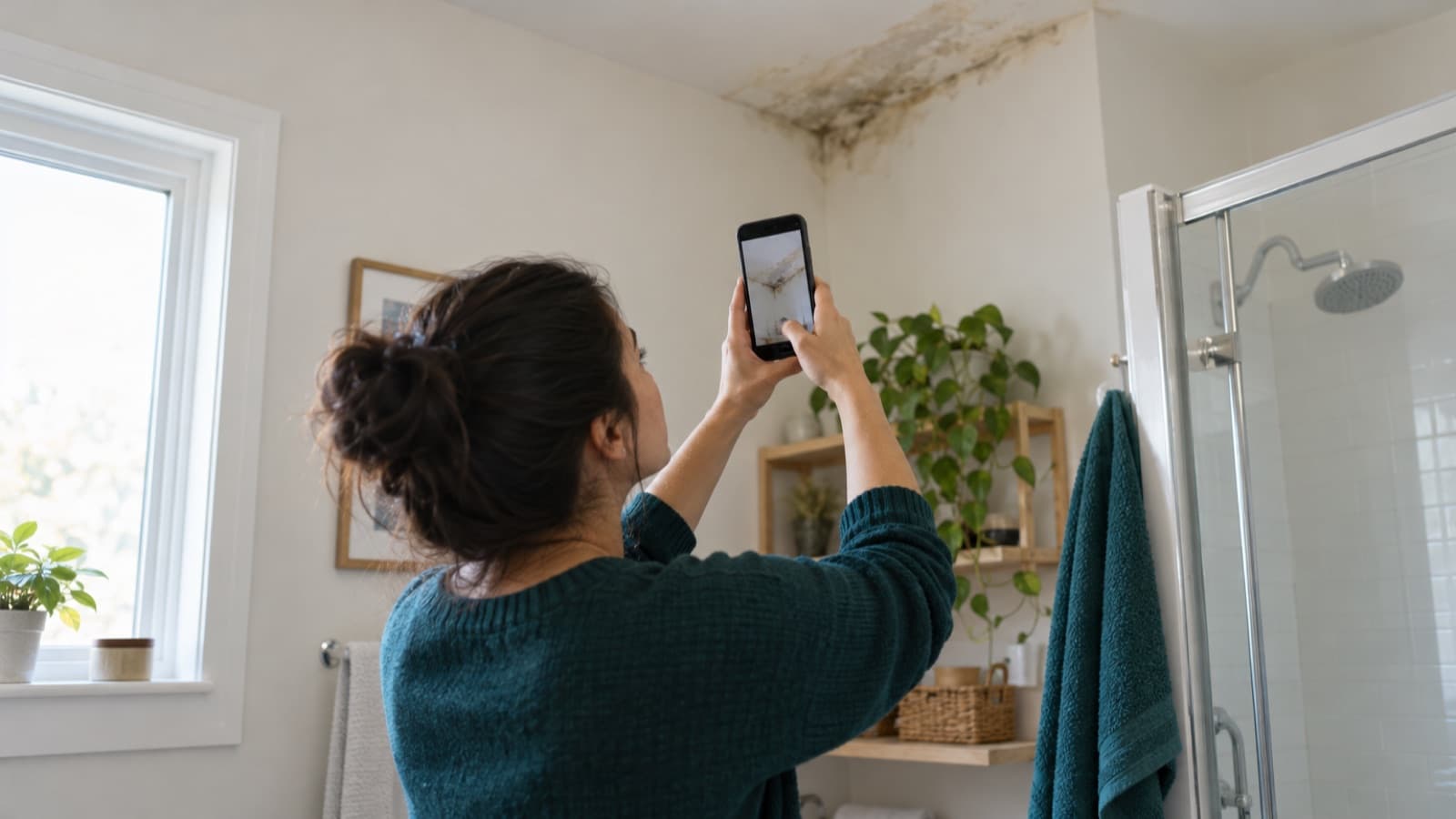
- A burst pipe, flooding or water coming through a ceiling
- Sewage backing up into the home
- No heat in freezing weather, or no cooling in extreme heat when someone's health is at risk
- An outside door or window that won't lock, or a break-in
- Structural damage, such as a sagging ceiling or broken stairs
Many problems are urgent without being emergencies: no hot water, a fridge that stopped cooling, a broken toilet when there's a second one. Report them promptly. The weather, who lives with you and local rules decide whether it can wait until morning. If health, safety or a working toilet is at stake, for example the only toilet, or no hot water with a baby at home, use the after-hours contact.
If there's no hot water, our guide on no hot water in your apartment lists the safe checks to try before you report it.
The legal definition of an emergency, and how fast the owner must act, vary by country, state and city, and your lease may have its own list. Check the rules where the property is.
First steps in an emergency repair
Get people safe first. Then stop the damage if you can do it safely, and only then report it.
Gas smell or carbon monoxide alarm
- Don't switch lights or appliances on or off, and don't light anything. A switch can make a spark.
- Get everyone out of the home, pets included. Don't stay to look for the leak.
- From outside, call 911 or the gas company's emergency line, which is on your bill.
- Don't go back in until the gas company or the fire department says it's safe.
Carbon monoxide has no smell, so trust the alarm: get everyone outside into fresh air and call 911.
Burst pipe, flooding or a leak through the ceiling
- Check for hazards first. Stay out of standing water near outlets, appliances or the electrical panel, and keep away from a ceiling that sags. Don't touch wet electrical equipment; follow the electrical steps below.
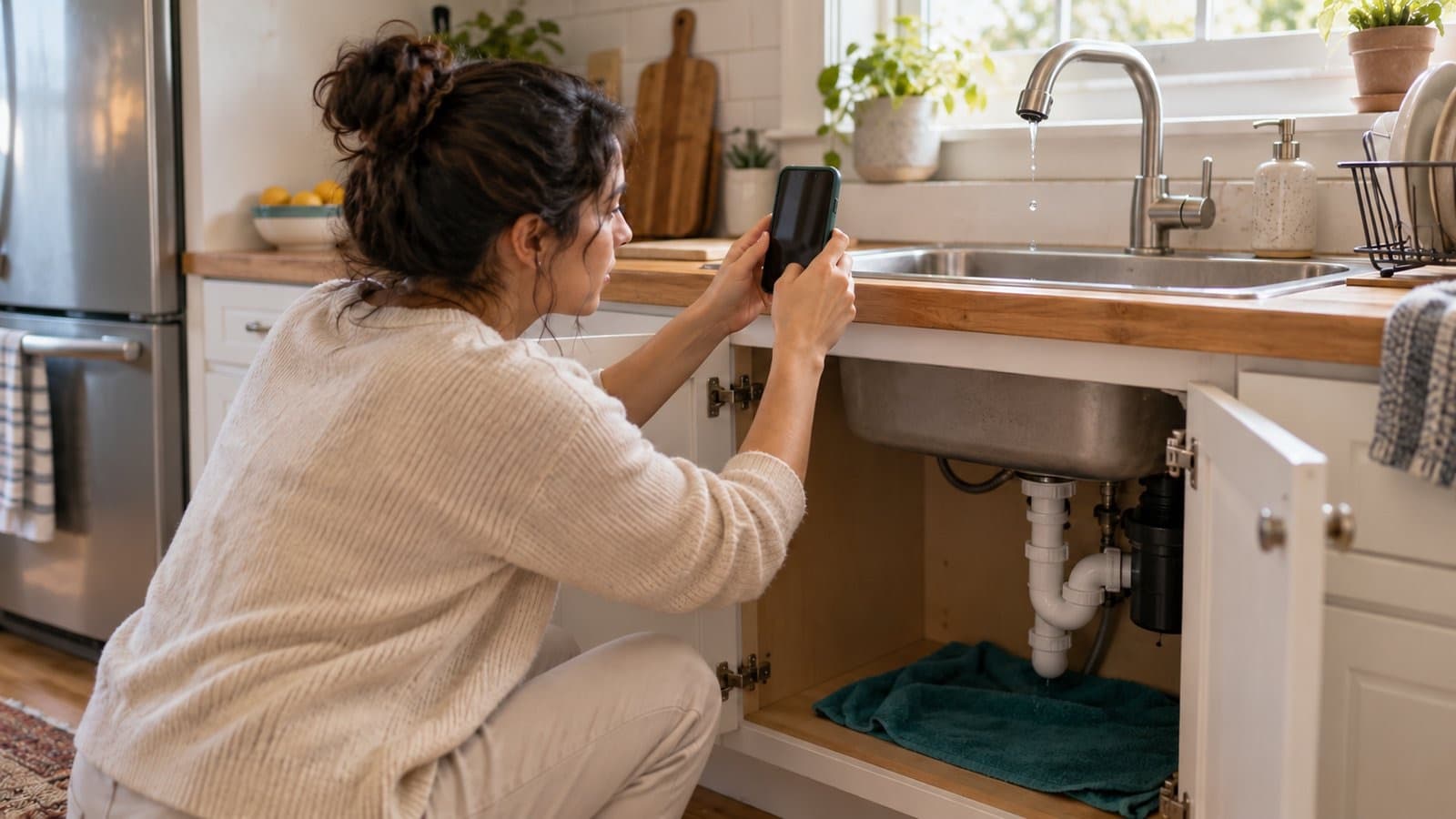
- Turn off the water if you can reach the valve safely. For a leak at one sink or toilet, the small valve under it or behind it is enough. For a burst pipe, use the main shut-off valve, often near the water meter or where the main pipe enters the home. In some apartment buildings, the building controls it.
- From a safe, dry spot, move belongings out of the way and put down towels or a bucket.
- If the water comes from the unit above, tell the neighbor and the building manager right away.
Sparks, a burning smell or exposed wires
- Don't touch the outlet, the wires or the appliance.
- If there's fire or smoke, get out and call 911.
- If you can reach the electrical panel with dry hands while standing on a dry floor, switch off the breaker for that area or the main breaker. If the panel is wet or near water, stay away from it.
- Don't try to fix it yourself, and don't keep resetting a breaker that trips again.
Photos and a written report with the time
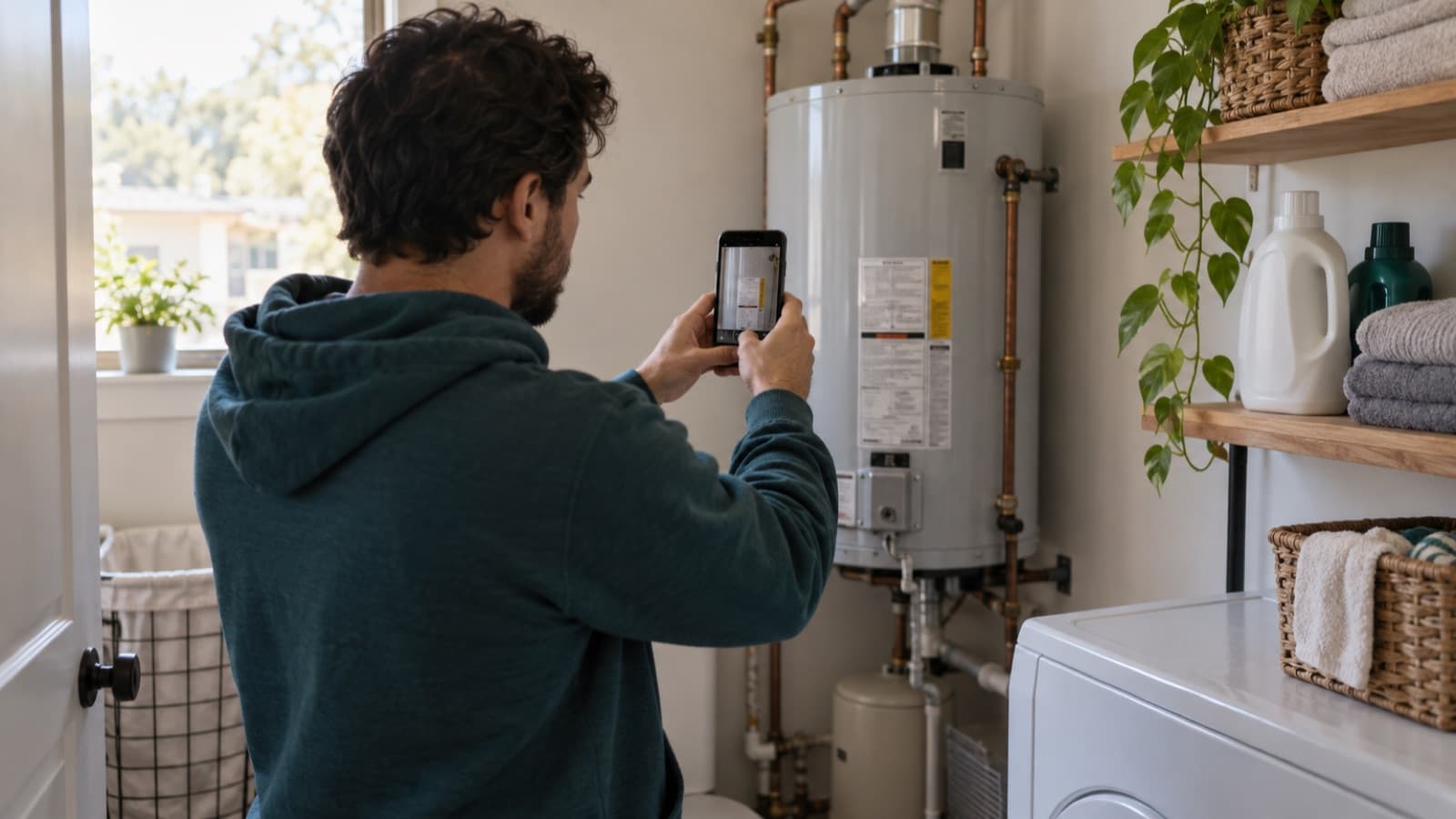
Once everyone is safe, take photos or a short video: the problem, any damage, and the valve or breaker you turned off. Then send a written follow-up, even if you've already called, and keep a copy. Use the channel your lease names, if it names one; some places also have formal notice rules, so check the rules where the property is. For example:
Hi Mark, at 10:40 PM a pipe under the kitchen sink burst at Apt 4B, 18 Maple Street. I turned off the main water valve at 10:45. There's about an inch of water on the kitchen floor; photos and a video are attached. I called you at 10:50 and left a voicemail. Please let me know who is coming and when.
Who to call after hours
Save these numbers in your phone now:
- 911 for fire, a gas smell, a carbon monoxide alarm, someone hurt or any immediate danger.
- The gas and power companies' emergency lines, from your bills or their websites.
- The owner's or manager's emergency contact. If the lease doesn't list one, ask for an after-hours number.
- The building manager or superintendent, in an apartment building, for shared pipes and access to other units.
If the owner doesn't answer, call again and try any backup contact in the lease. A screenshot of your call log shows each attempt with the time.
Can you call a pro yourself?
It depends on your lease and local rules. Some leases name a plumber or a service you may call in an emergency, or allow you to arrange the repair if nobody can be reached. Others say every repair goes through the owner. Local rules may also let tenants arrange urgent repairs and recover the cost, often only after notice and only for certain problems.
Before you call a pro yourself:
- Try the owner or manager more than once, and keep the record.
- Ask only for what stops the emergency: fixing the burst pipe, not redoing the bathroom.
- Where you can, get a written estimate before you approve the work, including after-hours or call-out fees. If you reach the owner or manager, confirm in writing what they approved and the spending limit.
- Get a written invoice with the problem, the work done and the date, and send it to the owner with the photos the same day.
If you're unsure whether you're allowed, ask a local tenant advice service first. Rules on entry vary too: in many places the owner or a pro may enter without the usual notice in a real emergency.
Keep the whole record together
You'll need the record for the follow-up repair, for an insurance claim and at move-out. Keep these in one place: your first report and photos, your call log, who came and what they did, the invoices and receipts, and your note that the repair is done.
Once the repair is done, confirm it in writing, and say so right away if the problem comes back. For everything that isn't an emergency, our guide on how to request repairs from your landlord covers what to write and how to follow up.
How RentalThread will make it easier
RentalThread won't replace emergency services: if anyone is in danger, call 911 first.
You'll report a problem from your phone with photos or a video, and AI will turn your message into a clear request with the details the owner needs. You review it before it's sent. Each repair will have its own thread with times, so your report, the owner's reply and the pro's visit stay together, and you'll see who's coming and when. See what's planned for tenants.
Send it to an owner, manager, agent, tenant or pro who could use it.
Questions, or a topic you'd like us to cover? Write to us at contact@rentalthread.com.