
Showing an occupied rental: how to work with the tenant
Showing an occupied rental while the tenant still lives there: notice, agreed visit windows, preparing the unit, the visit itself and what to skip.
 By the RentalThread teamHow we write our guides5 min read

Showing an occupied rental lets the owner find the next tenant before the current one moves out, so the unit spends less time empty between leases. It only works if the person who lives there agrees to the plan. Without a clear plan, you disrupt the tenant's routine, and that's when the refusals and last-minute cancellations start.
This guide is for real estate agents who show units while the current tenant still lives in them. It covers how to start the conversation, what notice to give, how to set visit windows, how to run each visit and when it's better to wait until the unit is empty.
Why showing an occupied rental goes wrong
The tenant didn't choose this. They're moving out, often while packing and working, and now strangers want to walk through their bedroom. Most of the friction comes from that:
- Short notice. A message at noon asking for a visit at 5 PM feels like an intrusion, even when the lease allows it.
- Too many requests. Six separate visits in one week, each arranged in its own chat, wear anyone down.
- No say in the times. The tenant hears about visits instead of agreeing to them.
- Worries nobody answered. Who will come in? Will someone be with them? Will anyone take photos of their things?
If nobody answers those questions, many tenants say no.
Start with a conversation with the tenant
Before you announce the first visit, talk to the tenant, by phone or in person if you can. Explain what you need and ask what works for them:
- When they move out, and whether that date is firm.
- Which days and times suit them, and which are off limits.
- Whether they want to be home during visits, or prefer to be out.
- Pets, alarms, rooms they'd rather keep closed, anything fragile.
- The best way to reach them, and how much notice they need.
Then confirm the plan in writing in one message. If a question comes up later, you both go back to it.
Notice and the tenant's rights
How much notice you must give, and when the owner or agent may enter for showings, depends on the lease and on local law. In the US, many states set a minimum notice period for entry, and some leases add their own terms. In other countries the tenant may have to agree to each visit. Check the rules where the property is, give at least the notice they require, and get the tenant's agreement in writing even when the law doesn't demand it. Treat the tenant's home as their home until the day they hand back the keys.
Agree on fixed visit windows
Every one-off visit is another request and another interruption. Ask the tenant for two or three fixed windows a week instead, and fit the visits inside them:
- One weekday evening and one weekend morning usually cover most people who want to see the unit.
- Back-to-back slots of 20 or 30 minutes within each window, so the tenant has one disruption per window.
- A cap per window you both agree on, such as four visits.
- A booking cutoff early enough to give any notice the lease or local rules require, so the tenant knows in time who is coming.
If interest is high, one short group visit can replace several separate ones. Our guide on how to schedule rental property showings covers time slots, self-booking and reminders in more detail.
Prepare the unit together with the tenant
Ask the tenant for a few simple things before each window, and keep the list short:
- Lights on, blinds open, beds made.
- Dishes and laundry out of sight.
- Valuables, documents and medication put away.
- Pets secured or out during the visit.
Thank the tenant after each window. Some owners also offer something for the trouble, such as a cleaning service before the visits or flexibility on the move-out date. That's the owner's call, so ask them before you offer anything.
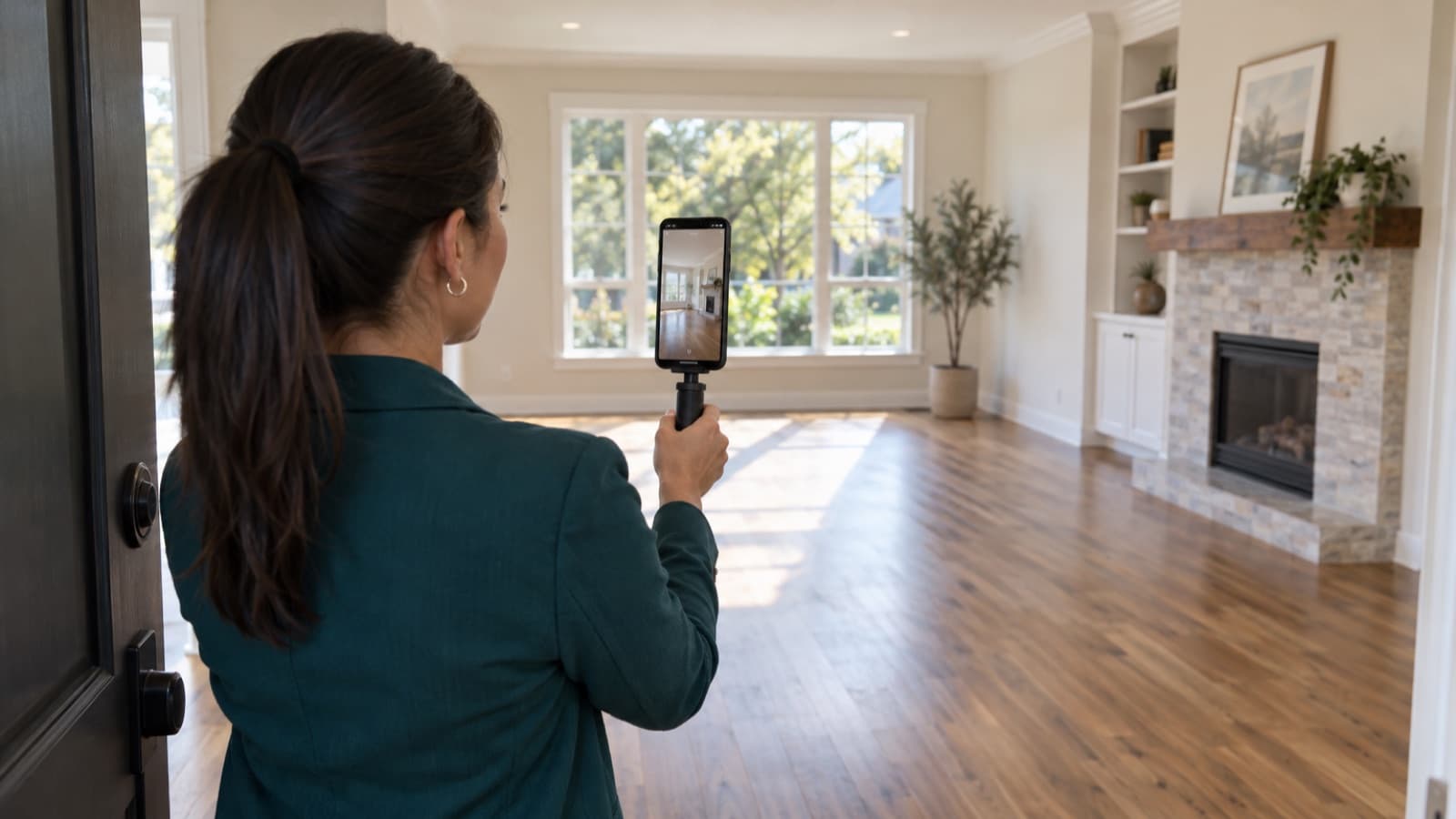
For the listing, use photos taken before the tenant moved in only if the unit still looks the same. If the floors, appliances or paint have changed, wait until they leave or take new ones. To take them now, ask the tenant first, keep their belongings, family photos and documents out of the frame, and show them the set. Our guide on taking rental listing photos with your phone has a shot list for every room.
Run the visit with the tenant in mind
On the day, small habits show the tenant you respect their home:
- Arrive on time and stay inside the window. A visitor who arrives late gets the time that's left.
- Knock or ring even if you have a key. Announce yourself before you step in.
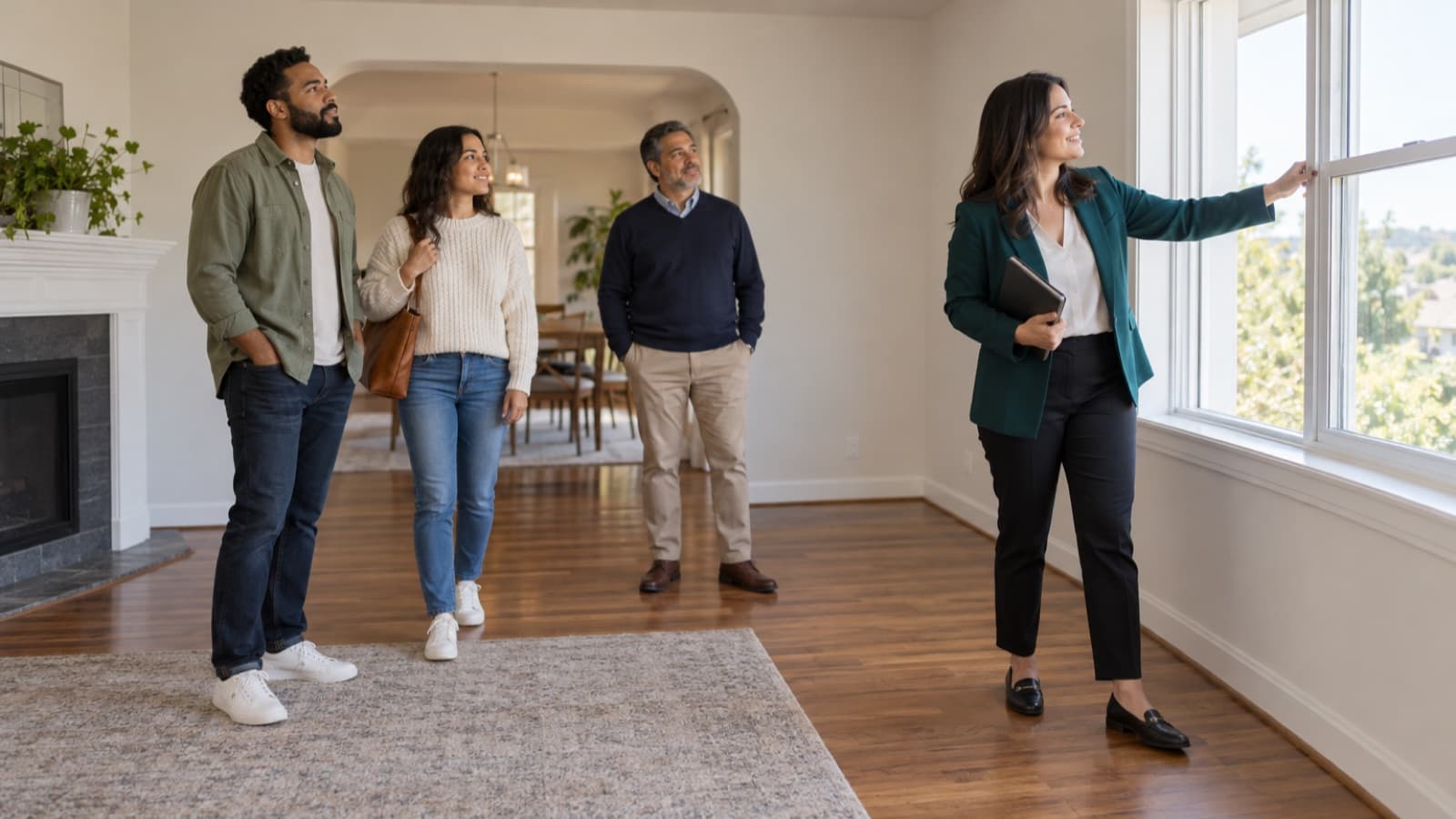
- Stay with visitors the whole time. Nobody walks the unit alone.
- Look, don't touch. Closets and drawers stay closed unless the tenant agreed to show them.
- Set photo and video rules before the visit. Tell visitors before they go in whether they may take photos or record, and allow it only if the tenant agreed. Belongings, documents and family photos stay out of every shot.
- Ask visitors to save their questions about the neighbors or the tenant for you, outside, after the visit.
- Leave it as you found it: lights, doors, windows, alarm.
If the tenant is home, introduce yourself and the visitors briefly and let the tenant choose where to be during the visit. If they're out, send a short message afterward: "Visits done, everything locked, thank you."
Keep the tenant and the owner informed
Give any notice of entry the lease or local rules require on time. Then send the tenant the list of booked visits for each window by the time you agreed on, with names or initials and times. Tell them as soon as a visit is canceled. Once the unit is rented, let them know there will be no more visits.
The owner wants to know how it's going. A short update once or twice a week, with visits held, feedback and any application, answers that before they ask. If visitors keep raising the same point, such as the clutter or the light, the owner can decide whether to wait until the unit is empty.
When to wait until the unit is empty
Wait in these cases:
- The tenant refuses visits and the lease or local rules don't require them. Market the unit with existing photos, if they still show it as it is, and show it after move-out.
- The tenant is in a dispute with the owner. Visits then add tension and rarely help.
- The unit needs repairs or painting that visitors would notice. Do the work first.
How RentalThread will make it easier
With RentalThread, each listing will get one link with its photos, details and price. Prospective tenants will book their own visits in the times you've agreed with the current tenant, so you don't arrange each visit in a separate chat. Owners will see views, visits and feedback without having to ask.
AI will draft the listing description from the property's details, and you'll review it before it's published. See what's planned for real estate agents.
Send it to an owner, manager, agent, tenant or pro who could use it.
Questions, or a topic you'd like us to cover? Write to us at contact@rentalthread.com.