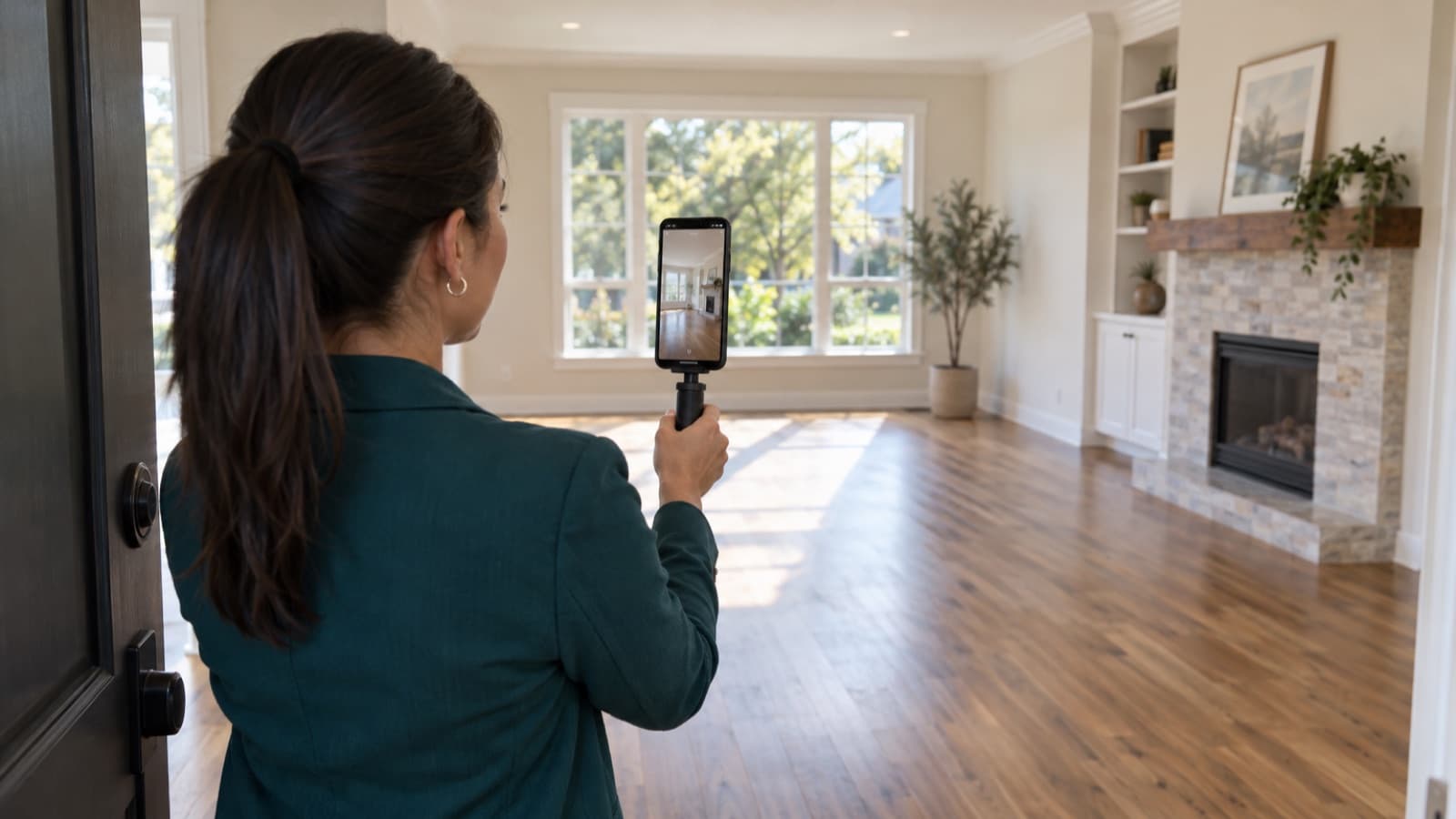

Fair housing words to avoid in rental listings
Fair housing words to avoid in rental listings, why they cause trouble and what to write instead: describe the home, not the tenant you want.
 By the RentalThread teamHow we write our guides5 min read

Most fair housing words to avoid in rental listings look harmless when you type them. "Perfect for a young couple." "Ideal for a professional." "No kids, quiet building." Each one describes a tenant instead of the home, and in many places that can break anti-discrimination rules, even when nobody meant to exclude anyone.
This guide is for agents who write rental listings. It explains why these phrases cause trouble, lists the common ones by category, and gives a replacement for each that says what the home offers.
Why the words in a listing matter
A listing is often the first thing the law looks at. In the US, the Fair Housing Act makes it illegal to publish a rental ad that shows a preference or limitation based on race, color, religion, sex, disability, familial status or national origin. The rule covers the words, and it applies even to some owners who are otherwise exempt from parts of the law. Other countries, states and cities have their own rules, and some protect more groups, such as people who pay with a housing voucher.
There's a business reason too. Every phrase about who should live there tells some readers to stop reading. A parent who sees "ideal for a couple" moves on, even if the unit would have suited the family well. You lose a qualified applicant and the listing stays up longer.
Why it's easy to get wrong
Wording like "no families" often starts as an attempt to describe the space. People write it because the unit is small, or the building is quiet, or the last tenant was a single professional and it worked out. The shortcut feels like useful information.
Under US advertising rules, what the words say counts, whatever you meant. A phrase can be a problem even if you'd happily rent to anyone who applies. And the risky words aren't always obvious. "Exclusive," "mature," "bachelor pad" or a church named as a landmark can all read as a signal about who's welcome.
Fair housing words to avoid in rental listings, and what to write instead
The rule that covers almost every case: describe the home, not the tenant you want. Say what the unit has, where it is and what the terms are. Let readers decide whether it fits them.
Family and children
Families with children are a protected group under US federal law, and in a growing number of places elsewhere. Phrases to avoid include "no kids," "adults only," "perfect for a couple," "not suitable for children" and "ideal for empty nesters."
Write about the space instead: "One bedroom, 550 sq ft," "Second-floor unit, no yard," "Quiet street." If the property is legally designated housing for older persons, that's a specific exemption with its own rules; check them before you say so in an ad.
Age, life stage and job
"Young professionals," "students only," "retirees," "mature person" and "bachelor" all point at a type of person. Write about what that person would value: "Ten minutes' walk to the subway," "Fast internet included," "Close to the university campus."
Sex and gender
"Women only," "male roommate wanted," "ladies," "gentlemen" and "perfect for a single guy" state a preference by sex. Shared housing, such as a room in the owner's own home, can have narrow exceptions in some places. Outside those, write about the room: "Private bedroom, shared kitchen and bathroom."
Religion, race and national origin
Avoid "Christian home," "Catholic neighborhood," "English speakers only," "no immigrants" or "Americans only." Avoid naming a church, temple or mosque as a landmark, too; use a street or a park. If you want to mention the area, describe what's there: "Two blocks from Maple Park and the farmers market."
Disability and health
"Able-bodied," "no wheelchairs," "must be able to climb stairs" and "healthy tenants only" exclude people with disabilities. Describe the access instead: "Third floor, no elevator," "Two steps at the entrance," "Step-free entrance and wide doors."
Pets are a related trap. "No pets" is usually allowed, but in the US assistance animals for people with disabilities aren't pets under fair housing rules. A safer line: "No pets. Assistance animals welcome." Rules on pets differ by place, and some go further; check the current rules where the property is.
Income and how rent is paid
"No Section 8" or "no vouchers" is legal in some US places and illegal in others, where discrimination based on source of income is prohibited. State your lawful screening criteria instead (the rent, the deposit, the income and the documents you ask for) and apply them consistently. Where vouchers are protected, local rules may say how to count income, for example against the tenant's share of the rent. Our guide on rental application requirements covers what to ask and how to apply it the same way to everyone.
A quick before-and-after
| Instead of | Write |
|---|---|
| Perfect for a young couple | One bedroom with a home office nook, 620 sq ft |
| No kids, quiet building | Small building with six units on a quiet street |
| Ideal for a professional | Fast internet included, 10 minutes' walk to the subway |
| Not suitable for wheelchairs | Third floor, no elevator |
| Near St. Mary's Church | On Oak Street, two blocks from Maple Park |
| Christian owner, mature tenants | Smoke-free building, quiet hours 10 PM to 7 AM |
Check your listing before you post it
Read the draft once and ask one question of every sentence: does it describe the home, or a person? Then check these:
- Headline: the type of home, the rooms, the area and the rent. No "perfect for."
- Highlights: features and distances, not the kind of person who would enjoy them.
- Rules: the same for everyone (no smoking, pet policy, quiet hours), written as rules about the property.
- Photos: the home and the building. If a photo shows people, it shouldn't suggest who's welcome.
- Replies: accurate, consistent answers and the same criteria for everyone who asks. If someone asks for a disability-related accommodation, consider it individually, as the rules where the property is require. Our guide on how to respond to rental inquiries has replies you can reuse.
If you write listings often, our free rental listing builder helps with this step. It runs in your browser: you enter the facts about the home and it builds the description. It also checks the area and the highlights you type against a list of common risky phrases in English, Spanish and Portuguese, and quotes any it finds. It's a hint, not a legal review.
These rules differ by country, state and city, and they change. This guide is general information, not legal advice. Before you rely on a phrase, check the rules where the property is with your local fair housing agency, your brokerage or a lawyer. For the rest of the description, see our guide on writing a rental listing description that gets replies.
How RentalThread will make it easier
With RentalThread, agents will get AI-written listing descriptions built from the facts of the home, which you review and edit before anything is published. Each listing will have one link you can share on WhatsApp, rental portals and social media, and every inquiry will land in one inbox.
See what's planned for agents.
Send it to an owner, manager, agent, tenant or pro who could use it.
Questions, or a topic you'd like us to cover? Write to us at contact@rentalthread.com.