

New property onboarding checklist for property managers
A new property onboarding checklist for managers: the agreement, keys, contacts, documents, tenants, money and maintenance, before and after takeover.
 By the RentalThread teamHow we write our guides6 min read
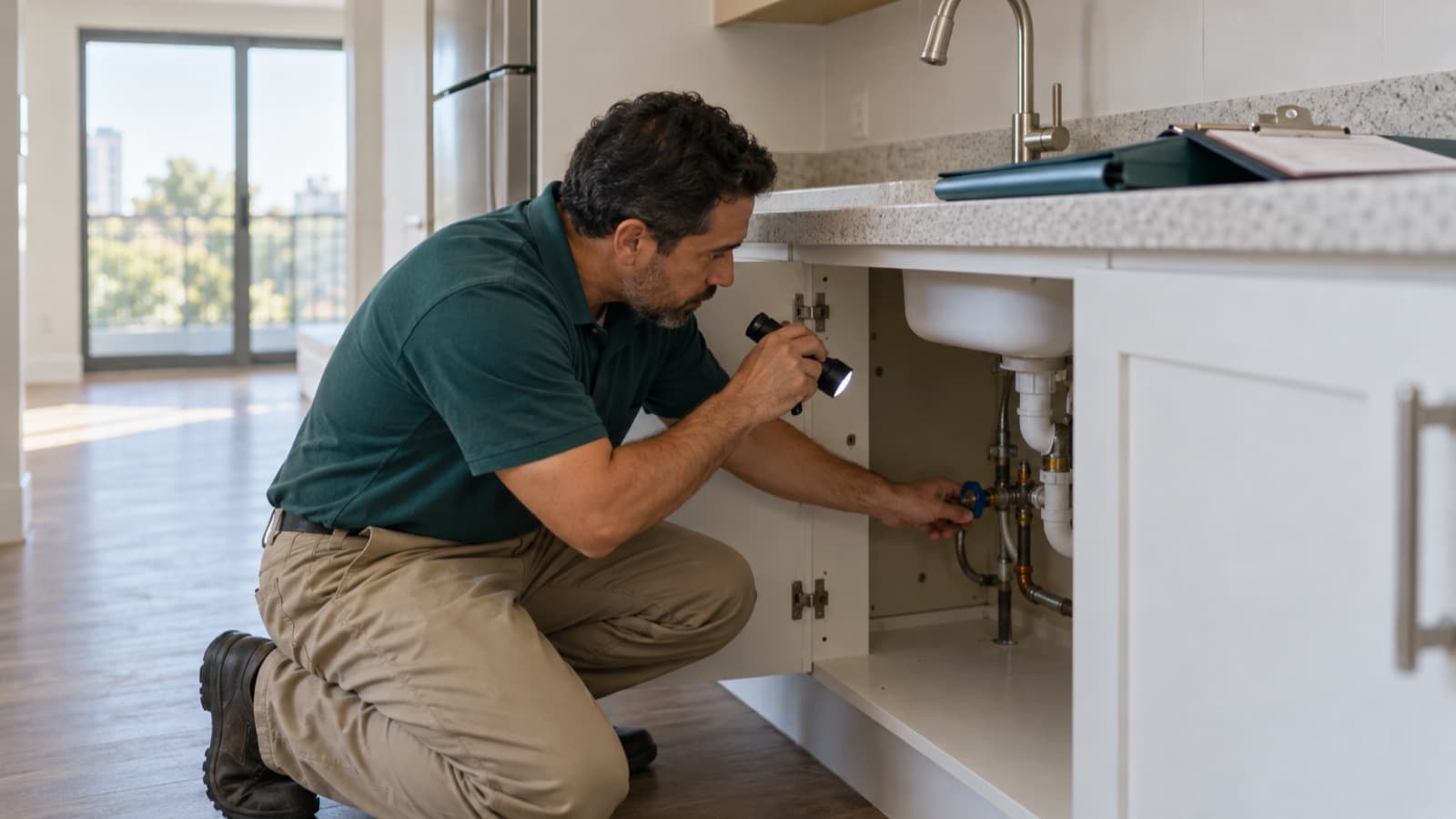
A new property onboarding checklist is the list of everything you collect from an owner before you take over a rental: the signed agreement, every key, the contacts, the documents, the tenant's file, the money and the maintenance history. Get the agreement, the keys, the rent and deposit details and any urgent repairs settled before you take over, then track the rest through the first week. That way your first repair call has a pro to send, and your first owner report starts from numbers both of you agreed on.
This guide is for property managers taking on a new property, whether the owner managed it alone or another manager had it before you. The items are grouped by what you collect, so you can tick them off as you go.
Why the first week decides the next year
If you take over a property with gaps, you find them later, at a bad moment. The tenant calls about a leak on a Sunday and nobody knows where the water shut-off is. The lease expires and the only copy is in the owner's email. The owner asks why the reserve is lower than they remembered, and nobody wrote down the opening balance.
Each of these is quick to sort out on day one. Months later, it takes a round of calls and a search through old emails.
Why handovers leave gaps
Most owners don't have the property's information in one place. Keys are in a drawer, the lease is a PDF in an old email, the plumber's number is in a phone, and the water heater's age is a guess. A previous manager may hand over a folder, but it often stops where their own records stopped.
The rest comes out in pieces: a photo of a document one day, a voice note the next, a forwarded chat from the tenant. Unless you keep a list, it's hard to know what you still don't have.
The new property onboarding checklist
Go through it with the owner in one meeting, then ask for the missing items in writing with a date. Rules about agreements, deposits, disclosures and records vary by state and country, so check what applies where the property is.
Agreement and authority
- Signed management agreement, with your fees, start date and what you're authorized to do (our guide to the property management agreement covers what it should include)
- Proof that the person signing owns the property or may act for the owners, such as a deed or a written authorization from co-owners
- Approval limit for repairs without asking first, and what counts as an emergency
- How the owner prefers to be contacted, and a backup contact if they can't be reached
- When and how you'll send reports, and what they'll include
Keys, access and codes
- Every key, labeled and counted: unit doors, mailbox, storage, gates, garage
- Remotes, fobs and access cards, with how many the tenant has
- Alarm, lockbox and smart lock access: remove the previous manager's codes and app access, and agree any code change with the tenant first so nobody gets locked out
- Building rules for access: who to tell before a pro visits, parking for service vans, elevator bookings
People and contacts
- Tenants' names, phone numbers and emails, and an emergency contact for each
- Building management or homeowners' association: contact, rules and fee due dates
- Pros the owner already uses (plumber, electrician, locksmith, appliance repair), and whether you'll keep them
- Utility accounts and who holds them: electricity, gas, water, internet
- Insurance agent and the policy number
Documents
- Current lease and any renewals or addenda
- Move-in inspection report and photos, if one exists
- Insurance policy and its renewal date
- Warranties and manuals for appliances and systems
- Permits, certificates and safety inspections required where the property is
- Notices sent to or received from the tenant in the last year
Scan everything and file it under the property from the start, in a place only the people who need it can open. Keep access codes out of widely shared folders, and check the privacy and record-keeping rules where the property is. Our guide on how to organize rental property documents shows a simple folder structure and which dates to track.
Tenant and lease
- Rent amount, due date and how the tenant pays
- Payment status: any balance owed, and the last payment received
- Security deposit amount, where it's held, and who will hold it from now on
- Lease start and end dates, notice periods and renewal terms
- Open complaints or promises the owner made to the tenant ("we'll replace the blinds")
Tell the tenant in writing who manages the property from now on, how to pay rent and how to report a repair. Some places require this notice, and some set what it must say.
Money
- Bank account for rent deposits, and how and when you'll send funds to the owner
- Opening balance and the reserve the owner wants you to keep for repairs
- Recurring bills: property tax, association fees, insurance, utilities paid by the owner, with due dates
- Unpaid bills or invoices from pros
- A reconciliation as of the handover date: rent owed, tenant credits and rent paid in advance, the deposit, the reserve and unpaid invoices. Get the balances confirmed in writing, check that the money reached your account, and follow the local rules for deposits and client funds
The property and its systems
- Walk the property and photograph every room, including when a tenant lives there, if local entry rules allow it: give the notice the law and the lease require, get consent where it's needed, and photograph the condition of the home, not people or their private papers
- Location of the water shut-off, the breaker panel and the gas valve
- Age and condition of the water heater, furnace or air conditioning, roof and major appliances
- Smoke and carbon monoxide detectors: where they are and when they were tested
- Known problems and repairs the owner postponed
Maintenance history and schedule
- Repairs from the last year or two: what, when, who did it and what it cost
- Recurring maintenance and when it's next due: furnace or AC service, gutter cleaning, pest control, filter changes
- Open repair requests and estimates waiting for approval
Put the recurring tasks on a calendar before you close the onboarding. A furnace service that nobody scheduled can turn into an emergency call in the first cold week.
After the checklist: confirm and close
Send the owner a short summary when the onboarding is done:
- What you received
- What's still missing, who will send it, and by when
- Problems you found during the walk-through, with photos and your recommendation
- The date of your first report
With the summary, you and the owner share a written starting point. If a question comes up in six months about the deposit, a key or the condition of the floors, you can point to what both of you saw on day one.
How RentalThread will make it easier
With RentalThread, each property will have one place for its people, documents, rent and expenses, so what you collect during onboarding stays with the property and is there for the first repair call. AI will read leases and invoices you upload and pull out dates and amounts for you to check, and recurring maintenance will come with reminders.
You'll see all your owners and properties in one view, with approval limits per owner and monthly owner statements built from the same records. See what's planned for managers.
Send it to an owner, manager, agent, tenant or pro who could use it.
Questions, or a topic you'd like us to cover? Write to us at contact@rentalthread.com.